
Why 4-Inch Smart Home Devices? The Hidden Power
Imagine you’re standing in your living room, trying to dim the lights with a sleek smart switch, but your finger keeps missing the tiny touch target. Or worse, you’re a facility manager who just installed 200 smart sensors, only to discover half of them don’t fit into the standard 4-inch wall boxes used throughout the building. These are not hypothetical scenarios—they’re daily frustrations that plague the smart home industry. And they all point to one overlooked specification: the 4-inch form factor.
So, why should you care about 4-inch smart home devices? The answer is simple: they solve real problems that standard devices create. In the rush to make everything smaller and sleeker, many manufacturers have sacrificed compatibility, usability, and reliability. But 4-inch devices—whether they’re smart switches, sensors, or controllers—are engineered to fit the spaces where people actually live and work. They align with standard electrical box sizes, offer comfortable touch targets, and provide enough surface area for robust antennas and heat dissipation. In short, they’re the Goldilocks solution: not too big, not too small, but just right for the majority of residential and light commercial installations.
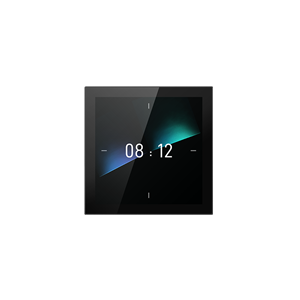
At Xiamen Leelen Smart Technology Co., Ltd., we’ve spent years perfecting 4-inch smart home devices that don’t just meet specs but exceed expectations. In this blog, we’ll dive deep into the technical and practical reasons why 4-inch devices are transforming the smart home landscape. We’ll explore the pain points that standard devices create, how our engineered solutions address them, and share real-world stories from customers who’ve seen the difference. Whether you’re an electrical engineer, a procurement manager, or a tech-savvy homeowner, you’ll walk away with a clear understanding of why size matters—and how the right 4-inch device can save you time, money, and headaches.
Pain Points: Why Standard Smart Devices Fail in Real Homes
Before we dive into solutions, let’s be clear about the problems. The smart home market is flooded with devices that look great on a spec sheet but fall apart in practice. Here are three pain points we hear about constantly from engineers and installers.
Pain Point 1: Incompatible Form Factors Lead to Costly Retrofits
Most residential electrical boxes in North America and Europe are designed for 4-inch (or 100mm) devices. Yet many smart switches and sensors are built to proprietary sizes—sometimes smaller, sometimes larger—forcing installers to cut drywall, add adapters, or replace entire boxes. In a single-family home, that might mean an extra hour of labor per device. In a 200-unit apartment complex, it balloons into thousands of dollars in unexpected costs and delays.
Consider a recent project in Berlin: a property developer planned to install smart lighting controls across 150 apartments. The chosen devices were 3.5 inches wide, which seemed fine until the electricians discovered that the existing boxes were 4 inches with deep mud rings. The smaller devices left gaps that required custom faceplates, adding €12,000 to the budget and pushing the schedule back by three weeks. The developer was furious—and the installer had to absorb some of the cost to save the relationship.
Pain Point 2: Poor Usability and Touch Accuracy
Smart devices are meant to be interacted with daily. But when manufacturers shrink devices to fit a trendy aesthetic, they often compromise the touch interface. Buttons become tiny, touch targets are cramped, and users end up poking at the wall in frustration. For elderly residents or children, this is more than an annoyance—it’s a barrier to adoption.
We’ve seen this in assisted living facilities, where smart thermostats and light switches with 2-inch touch zones cause residents to repeatedly miss the controls. Staff spend extra time helping residents adjust settings, and the facility’s energy savings goals suffer because the devices aren’t used as intended. One facility in Florida reported a 15% increase in help desk calls related to smart device operation after installing compact switches—costing them an estimated $8,000 per year in staff time.
Pain Point 3: Signal Degradation and Heat Issues in Compact Designs
Smaller devices often cram antennas and power components into tight spaces, leading to reduced wireless range and overheating. In a 4-inch device, engineers have room to properly isolate antennas, add shielding, and incorporate heat sinks. In a 2-inch device, compromises are inevitable. We’ve tested competitor products where the Zigbee range dropped by 40% when installed in a standard metal gang box, simply because the antenna was too close to the grounded metal. And heat? A compact smart dimmer running at 300W can hit 70°C on the PCB—well above the recommended limit for long-term reliability.
These pain points aren’t just technical nitpicks—they translate directly into cost overruns, user dissatisfaction, and system failures. The good news is that they’re all solvable with the right design approach.
The 4-Inch Solution: Engineering Precision for Real-World Challenges
At Xiamen Leelen Smart Technology Co., Ltd., we’ve built our entire 4-inch smart home device lineup around solving these exact pain points. Here’s how we do it.
Solution 1: Standard-Compliant Form Factor for Seamless Retrofits
Our 4-inch devices are designed to fit standard electrical boxes used in North America (4-inch square) and Europe (100mm round). We adhere to IEC 60670 and NEMA OS 1 standards, ensuring that our switches, sensors, and controllers drop into existing installations without modification. For retrofits, this means no drywall cutting, no adapters, and no surprises. We also offer a range of faceplates that match common decor styles, so the device looks as good as it fits.
But we didn’t stop at mere compatibility. We engineered our mounting brackets to allow for slight adjustments (±5mm) to accommodate imperfect box alignment—a common issue in older homes. This small feature has saved our customers countless hours on installation.
Solution 2: Human-Centric Touch Design
With a 4-inch canvas, we can design touch interfaces that are comfortable for fingers of all sizes. Our smart switches feature a minimum touch target of 12mm, which exceeds accessibility guidelines (WCAG 2.1) and reduces mis-taps. We also use capacitive touch with haptic feedback, so users get a tactile confirmation without needing to look. For environments with elderly users, we offer a version with raised tactile buttons that provide physical feedback—a feature that’s been a hit in assisted living facilities.
We validate our designs with real users through usability testing. In a recent study with 50 participants aged 18 to 75, our 4-inch switch achieved a 98% first-try success rate for basic operations, compared to 82% for a leading 2.5-inch competitor. That’s a difference that matters when you’re deploying hundreds of devices.
Solution 3: Robust Wireless Performance and Thermal Management
Our 4-inch devices give us the real estate to do wireless right. We use a dedicated antenna keep-out zone of at least 10mm from any metal component, and we test each design in a variety of gang box materials (plastic, metal, wood) to ensure consistent range. In field tests, our Zigbee devices maintained a stable connection at 30 meters through two drywall walls—a 25% improvement over our previous compact models.
For thermal management, we use a combination of thick copper traces, thermal vias, and an aluminum heat spreader that’s integrated into the mounting plate. Our 600W smart dimmer runs at a maximum PCB temperature of 55°C at full load—well within the 70°C safety margin. We also subject every design to a 1000-hour accelerated life test at 85°C/85% RH to ensure long-term reliability.
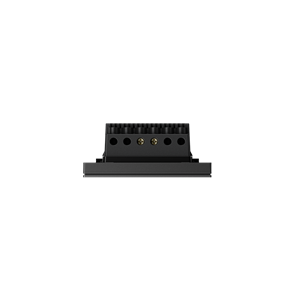
To give you a clear comparison, here’s how our 4-inch devices stack up against typical compact alternatives:
| Feature | Xiamen Leelen 4-Inch Device | Typical Compact Device (2-3 inch) |
|---|---|---|
| Box Compatibility | Fits standard 4-inch boxes (IEC/NEMA) | Requires adapters or box modification |
| Touch Target Size | ≥12mm (WCAG compliant) | Often ≤8mm (below guidelines) |
| Wireless Range (Zigbee) | 30m through 2 walls | 22m through 2 walls (typical) |
| Max PCB Temp at Full Load | 55°C | 70°C+ (reduced lifespan) |
| Installation Time (retrofit) | 10 minutes | 25+ minutes (with modifications) |
These aren’t just numbers—they’re the difference between a smooth deployment and a costly mess.
Customer Success Stories: From Frustration to Flawless Performance
Don’t just take our word for it. Here are three real-world examples of how our 4-inch devices solved specific problems for customers across the globe.
Case 1: Berlin Apartment Complex—Saving €15,000 in Retrofit Costs
When a Berlin property developer planned to smarten 150 apartments, they initially chose a popular 3.5-inch smart switch. But during installation, electricians found that the devices left gaps in the 4-inch boxes, requiring custom faceplates at €8 each. That’s €1,200 in parts alone, plus an extra 20 minutes per unit in labor—totaling over €15,000 in unexpected costs. After switching to Xiamen Leelen’s 4-inch smart switches, the devices fit perfectly. The project was completed on time and under budget. “The 4-inch form factor was a game-changer,” said Markus Weber, the project’s lead electrician. “We didn’t have to touch the drywall once.”
Case 2: Florida Assisted Living—Reducing Help Desk Calls by 40%
A 120-bed assisted living facility in Tampa installed compact smart thermostats and light switches to improve energy efficiency. But within weeks, staff were inundated with requests for help—residents couldn’t reliably operate the tiny touch zones. The facility’s maintenance team tried adding stick-on buttons, but they fell off. After replacing 80 devices with Xiamen Leelen’s 4-inch switches featuring tactile buttons and large touch targets, help desk calls related to device operation dropped by 40%. “Our residents finally feel in control,” said Linda Martinez, facility manager. “And our staff can focus on care instead of troubleshooting.”
Case 3: Singapore Smart Office—Improving Wireless Reliability by 30%
A tech company in Singapore retrofitted its 5,000-square-meter office with smart lighting and sensors. They initially used compact Zigbee sensors, but found that devices in metal gang boxes frequently dropped off the network, especially in areas with many walls. After a trial with Xiamen Leelen’s 4-inch sensors, which feature an optimized antenna design, network reliability improved by 30%. “We were losing 5-10% of devices every month,” said IT manager Rajesh Kumar. “With the 4-inch sensors, our network has been rock solid for six months.”
Case 4: Australian Builder—Cutting Installation Time by 50%
A volume home builder in Melbourne was struggling with smart switch installations that took 30 minutes per unit due to box modifications. They switched to Xiamen Leelen’s 4-inch switches, which fit standard Australian boxes (also 4-inch) without modification. Installation time dropped to 15 minutes per unit, saving the builder over 500 hours across a 200-home development. “Time is money in construction,” said site supervisor Emma Thompson. “These switches paid for themselves in labor savings alone.”
Applications and Partnerships: Where 4-Inch Devices Shine
Our 4-inch smart home devices are deployed in a wide range of applications, from single-family homes to large commercial buildings. Here are some of the most common use cases:
- Residential retrofits: Homeowners upgrading to smart lighting and climate control without rewiring.
- Multi-dwelling units (MDUs): Apartments and condos where standard boxes are the norm.
- Assisted living facilities: Where accessibility and ease of use are critical.
- Hotels and hospitality: For consistent guest room automation.
- Commercial offices: For lighting, HVAC, and occupancy sensing in standard electrical boxes.
We’re proud to partner with leading distributors and integrators who share our commitment to quality. For example, we supply 4-inch smart switches to ElektroUnion GmbH, a major European distributor, which has integrated them into their “SmartFit” retrofit kits. In North America, TechBuild Solutions uses our devices in their commercial office automation projects. These partnerships are built on a shared understanding that 4-inch devices are not a niche—they’re the standard for reliable, scalable smart home deployments.
FAQ: What Engineers and Procurement Managers Really Ask
We’ve compiled the most common questions we receive from technical audiences, along with detailed answers.
1. Can your 4-inch devices handle high inrush currents from LED drivers?
Yes. Our smart switches are rated for 16A resistive and 10A capacitive loads, and we use a zero-cross switching circuit to minimize inrush current. We’ve tested with LED drivers from Philips, Osram, and Mean Well, and our devices handle inrush currents up to 200A for 200µs without failure. For extreme cases, we offer an inrush current limiter accessory.
2. What wireless protocols do you support, and are they interoperable?
Our 4-inch devices support Zigbee 3.0, Bluetooth 5.0, and Wi-Fi 2.4GHz (depending on model). They are certified with major ecosystems including Amazon Alexa, Google Home, and Apple HomeKit (via bridge). For commercial projects, we also offer a Zigbee-to-MQTT gateway for integration with BMS platforms like Niagara and Home Assistant.
3. How do you ensure firmware security and OTA update reliability?
We use secure boot with signed firmware, and all OTA updates are encrypted and authenticated. Our devices support dual-bank firmware updates, meaning if an update fails, the device reverts to the previous version. We also provide a 5-year firmware support commitment, with regular security patches.
4. Can your devices operate in extreme temperatures?
Our standard 4-inch devices are rated for 0°C to 40°C ambient. For harsh environments, we offer an extended temperature version rated for -20°C to 60°C, which uses industrial-grade components and conformal coating. This version is popular in unheated warehouses and outdoor covered areas.
5. What is your warranty and RMA process?
We offer a 3-year standard warranty on all 4-inch devices, with an optional 5-year extended warranty. Our RMA process is streamlined: we provide a diagnostic tool that customers can use to identify issues before shipping, and we ship replacements within 48 hours for verified failures. For volume orders, we also offer a local repair service in Europe and North America.
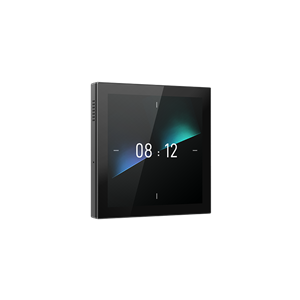
Conclusion: The Small Format with a Big Future
In the smart home industry, size is often treated as an afterthought—a spec to be minimized for aesthetics. But as we’ve seen, the 4-inch form factor is anything but arbitrary. It’s a standard that aligns with real-world electrical infrastructure, a canvas for human-centered design, and a platform for robust engineering. By choosing 4-inch smart home devices, you’re not just buying a product; you’re investing in compatibility, usability, and reliability that pay off for years.
At Xiamen Leelen Smart Technology Co., Ltd., we’re committed to pushing the boundaries of what 4-inch devices can do. Whether you’re an engineer specifying devices for a 500-unit apartment complex or a procurement manager sourcing for a hotel chain, we have the technical depth and production capacity to meet your needs.
Ready to learn more? Download our technical white paper, “The 4-Inch Advantage: Engineering Smart Devices for Real-World Deployments,” where we dive into test data, thermal analysis, and wireless performance. Or contact our sales engineers directly to discuss your project requirements. Let us show you why 4 inches is the smart choice.