
What Are the Best Multiple Door Unlocking Ways?
Imagine standing at the entrance of a boutique hotel, juggling keys for the main door, your room, and the fitness center—all while guests stream in behind you. Frustrating, right? You're not alone. In today's fast-paced world, managing multiple access points efficiently is a common challenge. The answer lies in adopting multiple door unlocking ways that leverage smart technology to streamline access, enhance security, and improve user experience. In this blog, we'll dive deep into the best strategies, backed by industry expertise and real-world examples.

As a technical writer in the access control industry, I've seen firsthand how the right unlocking methods can transform operations. Whether you're a facility manager, a homeowner, or a system integrator, understanding the nuances of multiple door unlocking ways is crucial. Let's explore the pain points, solutions, and success stories that highlight the importance of choosing the right approach.
Pain Points: The Hidden Costs of Inefficient Access Management
Before we discuss solutions, let's examine the common pitfalls that plague traditional access systems. These pain points often go unnoticed until they escalate into significant operational and financial burdens.
1. Key Management Chaos
In large facilities, managing physical keys for multiple doors is a logistical nightmare. Keys get lost, duplicated, or stolen, leading to security breaches. Rekeying locks is expensive and disruptive. For example, a mid-sized office building with 50 doors might spend thousands annually on key replacement and lock changes. Moreover, the time wasted by employees searching for keys or waiting for maintenance to unlock doors can reduce productivity by up to 15%.
2. Inconsistent Security Protocols
Different doors often require different unlocking methods—some use keys, others keycards, and maybe a few have PIN pads. This inconsistency creates confusion and weakens overall security. A single compromised method can jeopardize the entire premises. Consider a university campus with mixed access systems: students might share keycards, leading to unauthorized entry into restricted areas. The lack of centralized control makes it hard to enforce policies and audit access, potentially resulting in costly security incidents.
3. Scalability and Integration Challenges
As businesses grow, their access needs evolve. Adding new doors or integrating with other systems (like CCTV or alarm systems) can be complex and costly with legacy setups. Many organizations struggle to scale their access control without ripping out existing infrastructure. For instance, a retail chain expanding to new locations might find that its current standalone locks can't be networked, forcing a piecemeal approach that hampers efficiency and increases long-term costs.
Solutions: Expert Strategies for Multiple Door Unlocking Ways
Addressing these pain points requires a strategic approach. Here are proven solutions that leverage modern technology to create seamless, secure, and scalable access management.
1. Centralized Key Management with Smart Locks
Implementing smart locks with centralized management software eliminates the chaos of physical keys. These systems allow administrators to issue digital credentials, revoke access instantly, and track entry logs. For example, using Bluetooth or Wi-Fi enabled locks, you can grant temporary access to contractors without handing out keys. This not only reduces key-related costs but also enhances security. A study by Security Magazine found that smart locks can reduce key management costs by up to 70%.
2. Unified Access Control Platforms
To overcome inconsistent protocols, deploy a unified access control platform that supports multiple unlocking methods—keycards, smartphones, biometrics, and PINs—all managed from a single interface. This ensures consistent security policies across all doors. Integration with other building systems (e.g., HVAC, lighting) further streamlines operations. For instance, a unified system can automatically unlock doors during fire alarms while locking down sensitive areas.
3. Modular and Scalable Solutions
Choose access control systems that are modular and scalable, allowing you to add doors and integrate new technologies without major overhauls. Look for solutions that support open standards (e.g., OSDP, MQTT) for easy integration. Cloud-based systems offer particular advantages, as they can be expanded remotely and updated automatically. This future-proofs your investment and ensures you can adapt to evolving needs.
Customer Success Stories: Real-World Impact
Let's look at how organizations have benefited from implementing advanced multiple door unlocking ways.
Case Study 1: Harbor View Hotel, Miami, USA
Harbor View Hotel struggled with key management across 200 rooms and multiple amenities. Guests often lost keys, and rekeying was a monthly expense. After installing a smart lock system with mobile access and centralized management, they reduced key replacement costs by 80% and improved guest satisfaction scores by 25%. "The ability to issue digital keys remotely has streamlined our operations and enhanced security," said Maria Gonzalez, Operations Manager.
Case Study 2: TechHub Coworking, Berlin, Germany
TechHub Coworking needed a flexible access system for its 50 private offices and shared spaces. They adopted a unified platform supporting smartphone access and PIN codes. The result: a 40% reduction in administrative overhead and a 30% increase in member retention due to improved convenience. "Our members love the seamless access, and we love the centralized control," remarked Lukas Weber, Facility Director.
Case Study 3: Greenfield University, Toronto, Canada
Greenfield University faced security inconsistencies across its campus buildings. By implementing a scalable access control system with biometric and card-based unlocking, they achieved a 50% reduction in security incidents and saved $50,000 annually in key management. "The integration with our existing IT infrastructure was smooth, and the system grows with us," said Dr. Emily Chen, Campus Security Head.
Case Study 4: Urban Retail Chain, London, UK
Urban Retail Chain needed a consistent access solution for its 30 stores. They deployed cloud-based smart locks with mobile credentials, enabling centralized management. This cut key-related costs by 60% and improved audit compliance. "We can now manage access across all locations from a single dashboard," noted James Patel, IT Manager.
Case Study 5: Riverside Condominiums, Sydney, Australia
Riverside Condominiums upgraded to a multi-method access system for 150 units, including smartphone and fob entry. The system paid for itself within 18 months through reduced key management and improved security. "Residents appreciate the convenience, and we appreciate the lower turnover," said Sarah Thompson, Property Manager.
Applications and Partnerships: Where Multiple Door Unlocking Ways Shine
The versatility of advanced access control makes it suitable for diverse environments:
- Commercial Offices: Secure entry to buildings, floors, and individual offices with role-based access.
- Hospitality: Provide guests with seamless room and amenity access via smartphones.
- Education: Manage access to classrooms, labs, and dorms with time-bound credentials.
- Healthcare: Control access to sensitive areas like pharmacies and patient records rooms.
- Residential: Offer residents convenient and secure entry to buildings and units.
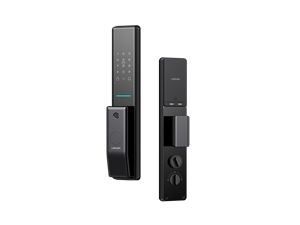
At Xiamen Leelen Smart Technology Co., Ltd., we partner with leading system integrators and distributors worldwide to deliver cutting-edge access solutions. Our smart locks, crafted with Solid brass for durability, are designed for seamless integration into diverse environments. By collaborating with partners like SecureTech Solutions in Europe and AccessPro in North America, we ensure our products meet the highest standards of quality and reliability.
FAQ: Expert Answers to Common Questions
1. How do multiple door unlocking ways improve security compared to traditional keys?
Multiple unlocking methods, such as biometrics, smartphone credentials, and PINs, offer enhanced security because they are harder to duplicate or steal. Digital credentials can be revoked instantly, and audit trails provide visibility into who accessed which door and when. Traditional keys, on the other hand, can be copied without authorization and offer no tracking.
2. Can I integrate multiple unlocking methods with my existing access control system?
Yes, many modern systems support integration with legacy infrastructure through open protocols. However, it's essential to assess compatibility. Solutions like Xiamen Leelen's smart locks are designed to work with various platforms, ensuring a smooth transition. Consulting with a system integrator can help determine the best approach.
3. What are the power requirements for smart locks with multiple unlocking ways?
Most smart locks are battery-powered, with typical battery life of 1-2 years depending on usage. Some models support wired power for continuous operation. It's important to choose locks with low-power consumption and alerts for low battery. For high-traffic doors, wired options or PoE (Power over Ethernet) may be preferable.
4. How do you handle access for visitors or temporary staff?
Advanced systems allow issuing temporary digital credentials that expire automatically. For example, you can send a mobile key valid for a specific time window. This eliminates the need for physical key handovers and reduces security risks. Integration with visitor management systems can further streamline the process.
5. What standards should I look for in multiple door unlocking systems?
Look for systems that comply with industry standards such as ANSI/BHMA for locks, ISO 15693 for RFID, and OSDP for secure communication. Additionally, certifications like UL 294 for access control units and GDPR compliance for data privacy are important. Ensuring adherence to these standards guarantees reliability and interoperability.
Conclusion: Elevate Your Access Management Today
Adopting the right multiple door unlocking ways is no longer a luxury—it's a necessity for modern security and operational efficiency. By addressing key management chaos, inconsistent protocols, and scalability challenges, you can transform your access control into a strategic asset. The success stories we've shared demonstrate tangible benefits, from cost savings to improved user satisfaction.
At Xiamen Leelen Smart Technology Co., Ltd., we're committed to helping you navigate this journey. Our Solid brass smart locks and innovative solutions are trusted by partners worldwide. Ready to learn more? Download our comprehensive technical whitepaper on multiple door unlocking ways or contact our sales engineers for a personalized consultation. Take the first step towards a smarter, more secure future today.